Language Milestones in Bilingual Children: What to Notice Without Comparing
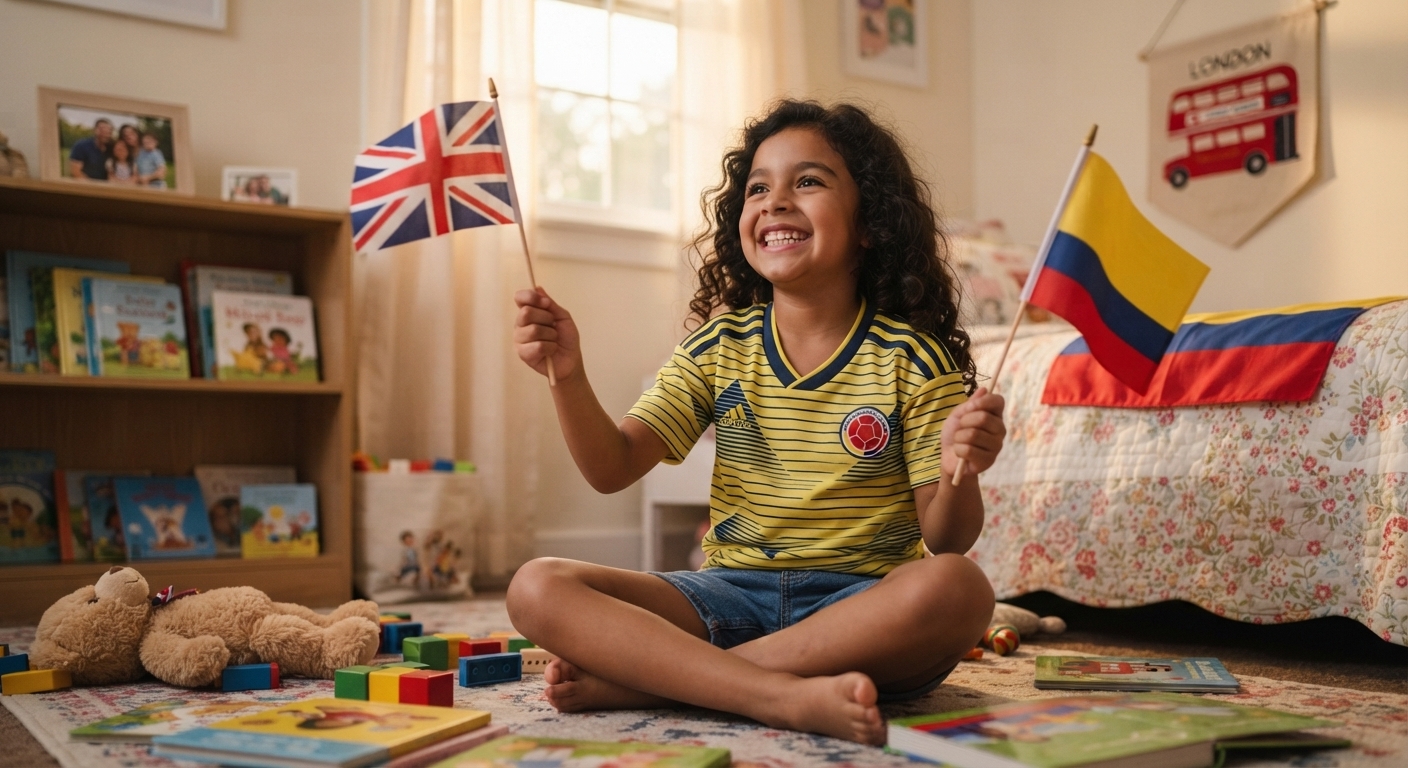
In a bilingual family, it is easy to start counting: how many words do they say in Spanish, how many in English, and should they be talking more by now? Those questions come from care, but they can turn a living, personal process into a race against a chart.
A bilingual child's language does not live in two separate boxes. One word may appear first in Spanish and another in English; together, they make up the child's full communication repertoire. Looking at only one language can give an incomplete picture of everything they already know.
Mixing languages in the same sentence is normal too. Saying “quiero my book” does not mean a child is confused. It means they are using every resource available to express an idea. With continued exposure and practice, they learn when and with whom to use each word.
Instead of counting words every week, watch for broader signs: understanding directions, seeking shared attention, using gestures, adding new words and finding increasingly precise ways to share ideas. Milestones are guides, not deadlines. If a concern persists, a development or language professional can assess your child while considering both languages.
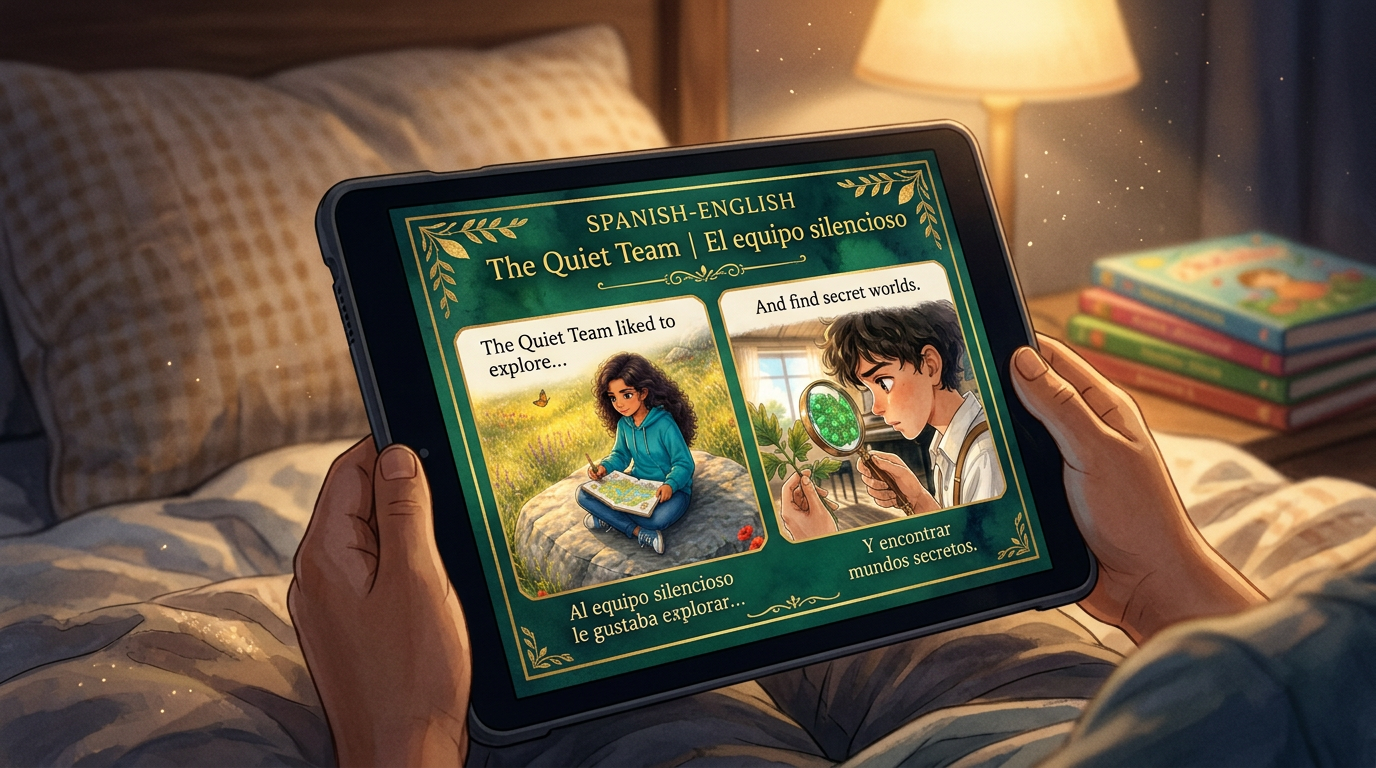
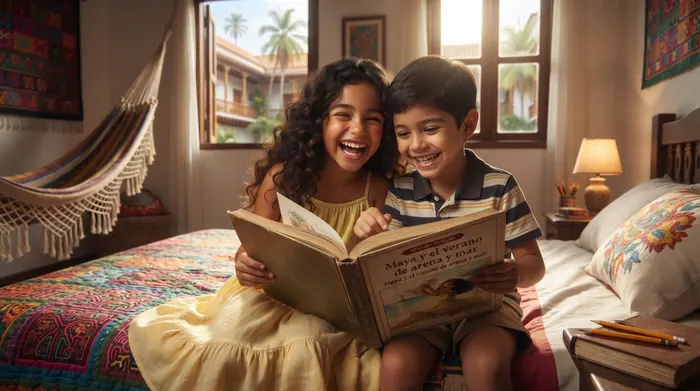
Reading together supports that growth without putting it under examination. When children return to a familiar story, they anticipate phrases, point out details, complete a refrain and connect a word with its match on the facing page. In the Maya & Mateo collection, those repetitions grow inside stories that invite conversation rather than testing.
The best sign is not always a word count. Sometimes it is the moment your child picks up a book, recognizes a scene and begins telling it back in their own way — with one word from here, another from there and a story that already feels like theirs.
Keep exploring